A refugee-led digital cooperative and talent platform that trains, employs and connects talent to global tech opportunities through impact sourcing and AI-powered remote work.
United Nations High Commissioner for Refugees (UNHCR); Asia Venture Philanthropy Network (AVPN); Asian Development Fund (ADB); AI Opportunity Fund; Global Impact Sourcing Consortium (GISC)
Millions of refugees and displaced people face systemic barriers to accessing education and formal employment. Limited recognition of prior experience and weak connections to international labour markets often prevent these groups from fully participating in the digital economy. At the same time, several employers have encountered a shortage of digital talent and are keen to adopt inclusive and compliant hiring pathways. Addressing this gap requires scalable models that connect displaced communities to certified digital skills training, remote work opportunities, and regulated employment pathways.
Robo Lab is a refugee-led digital cooperative and talent platform, which connects displaced people to structured training and lawful income-generating opportunities in the digital economy. Built around the principles of “Learn Together, Work Together, Expand Together,” Robo Lab combines peer-based learning with access to client projects through an organized, cooperative model.
Participants develop highly sought-after digital skills, collaborate in small learning groups, and deliver services through impact sourcing arrangements aligned with local regulations. Unlike traditional training or job-matching platforms, Robo Lab integrates skills development, work experience, and cooperative governance, enabling members to build portfolios, generate income, and support future participants through a pay-it-forward model.
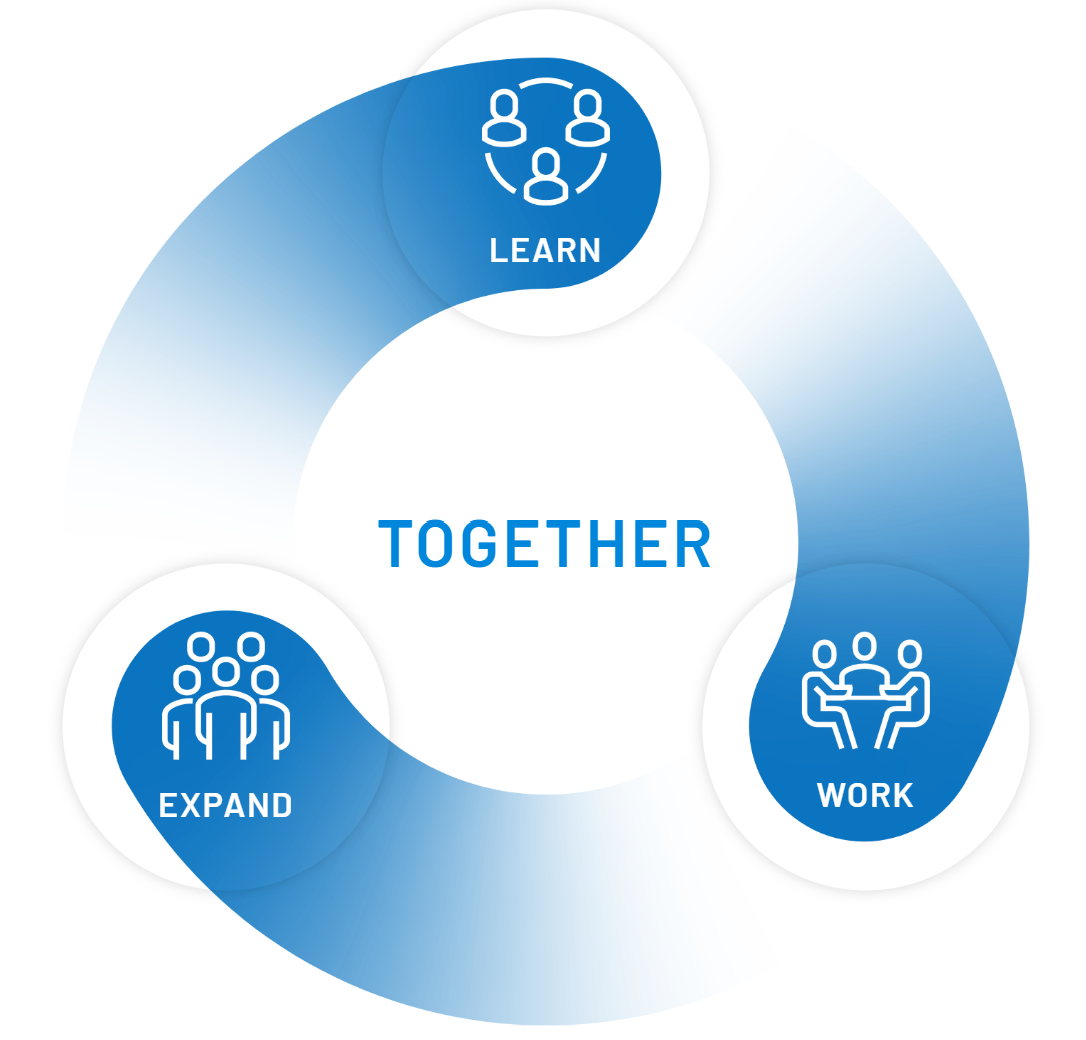
Robo Lab bridges the digital divide by enabling refugees and displaced people to access digital training, pathways to lawful income-generating digital employment opportunities. Robo Lab’s low-bandwidth learning environment, peer-based training model, and impact sourcing approach reduce barriers to entry for participants who may lack formal credentials or access to traditional education systems. By combining digital skills development with paid project work and cooperative governance, the model helps displaced populations build verified work experience, participate in the global digital economy, and create sustainable livelihoods.
Since launching in 2021, Robo Lab has demonstrated measurable outcomes in creating digital employment pathways for displaced people. Approximately 100 individuals across countries—including Afghanistan, Congo, Gaza, India, Myanmar and Syria—have accessed Robo Lab’s training and support programmes.
To date, approximately 30 participants have transitioned into paid roles through Robo Lab-supported opportunities. Robo Lab has also supported access to formal employment-based migration pathways, with seven refugees obtaining Japan’s Engineer/Specialist in Humanities/International Services (‘Gijinkoku’) visas, enabling relocation and family reunification.
Robo Lab is planning to expand across additional regions with significant displaced populations and growing demand for digital talent. Planned expansion includes deployments in Asia, Europe and Latin America through partnerships with municipalities, non-governmental organizations (NGOs), private sector employers and development organizations. Robo Lab aims to generate US$3 million in salaries for 100–200 graduates by 2027, further demonstrating its potential as a scalable income-generation model for displaced talent. As it scales, Robo Lab will expand participant cohorts and develop new digital service areas, such as AI-enabled operations and building digital tools without advanced coding and automation services.