Visualizing marine debris from space to support evidence-based policymaking and stimulate policy action.
UNDP Vietnam, UNDP Philippines, UNDP Ukraine
Marine debris is rapidly emerging as one of the most pressing environmental challenges of the 21st century. Projections indicate that the quantity of plastics and other waste in oceans could outweigh marine life by 2050. The accumulation of debris occurs gradually, often going unnoticed until its environmental, social, and economic impacts become severe.
Addressing this issue requires timely, accurate and actionable information. A wide range of stakeholders, including civic activists, policymakers, local and national governments, researchers and educators, depend on comprehensive data to understand the scope of marine debris and to coordinate effective interventions. Most information remains fragmented, ad hoc or localized, which limits early warning capabilities and delays decision-making. Without centralized tools for data aggregation and visualization, stakeholders are hindered in their ability to implement effective and coordinated responses, leaving marine ecosystems increasingly vulnerable.
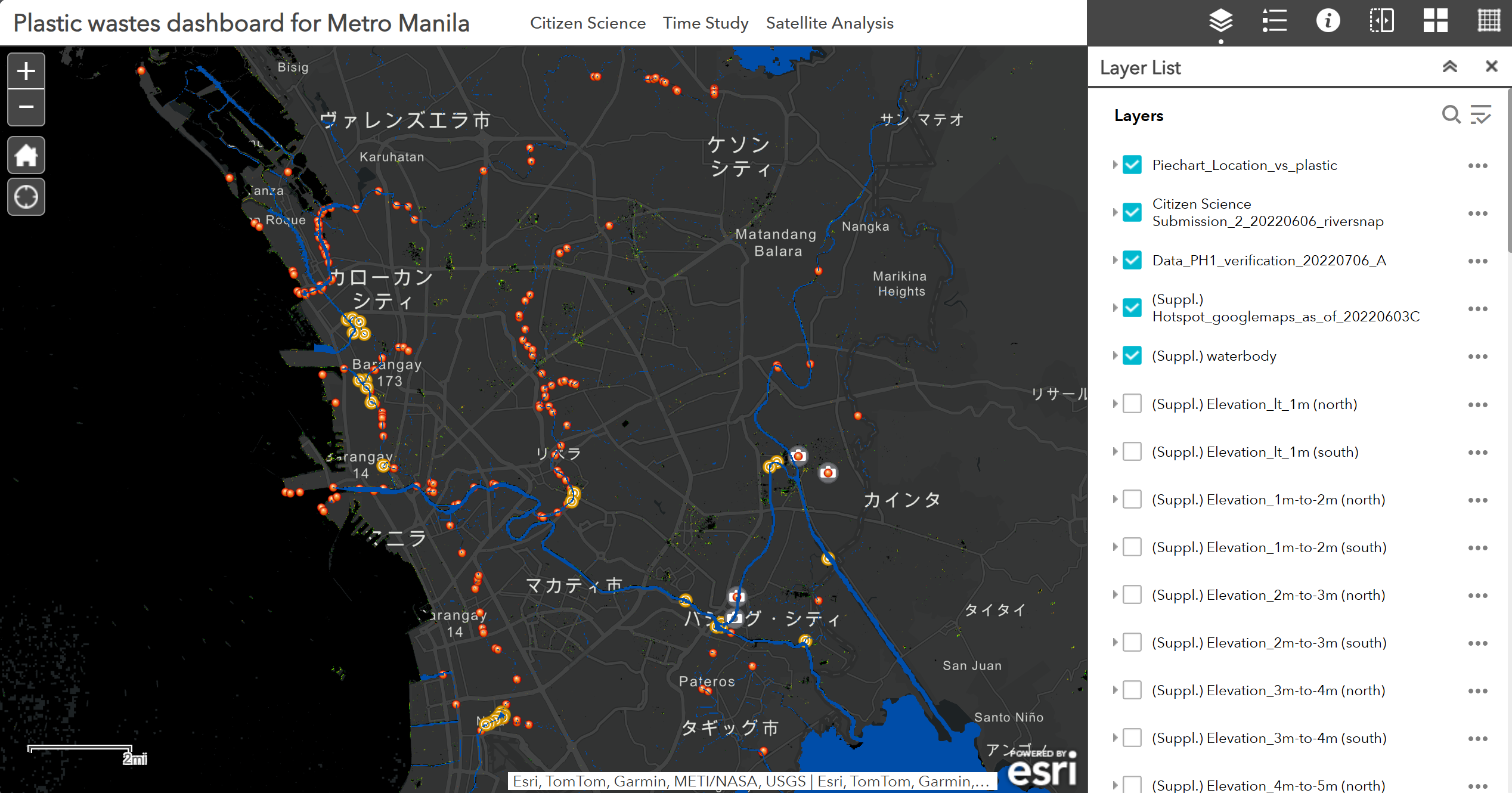
The Aqua Quantification and Tracking Network for Observing Waste (AQTNOW) from the Japan-based Alpha Space Designlab provides a structured, space-based visualization model for marine debris, helping stakeholders better understand the scale and distribution of pollution. By integrating satellite-based observations with ground-based data, the platform enables evidence-based policy discussions, behavioural change among stakeholders and enhanced awareness of environmental hazards. The solution visualizes pollution across rivers, coastlines and marine areas over time, helping policymakers, researchers, and civil society compare trends and identify priority areas for intervention.
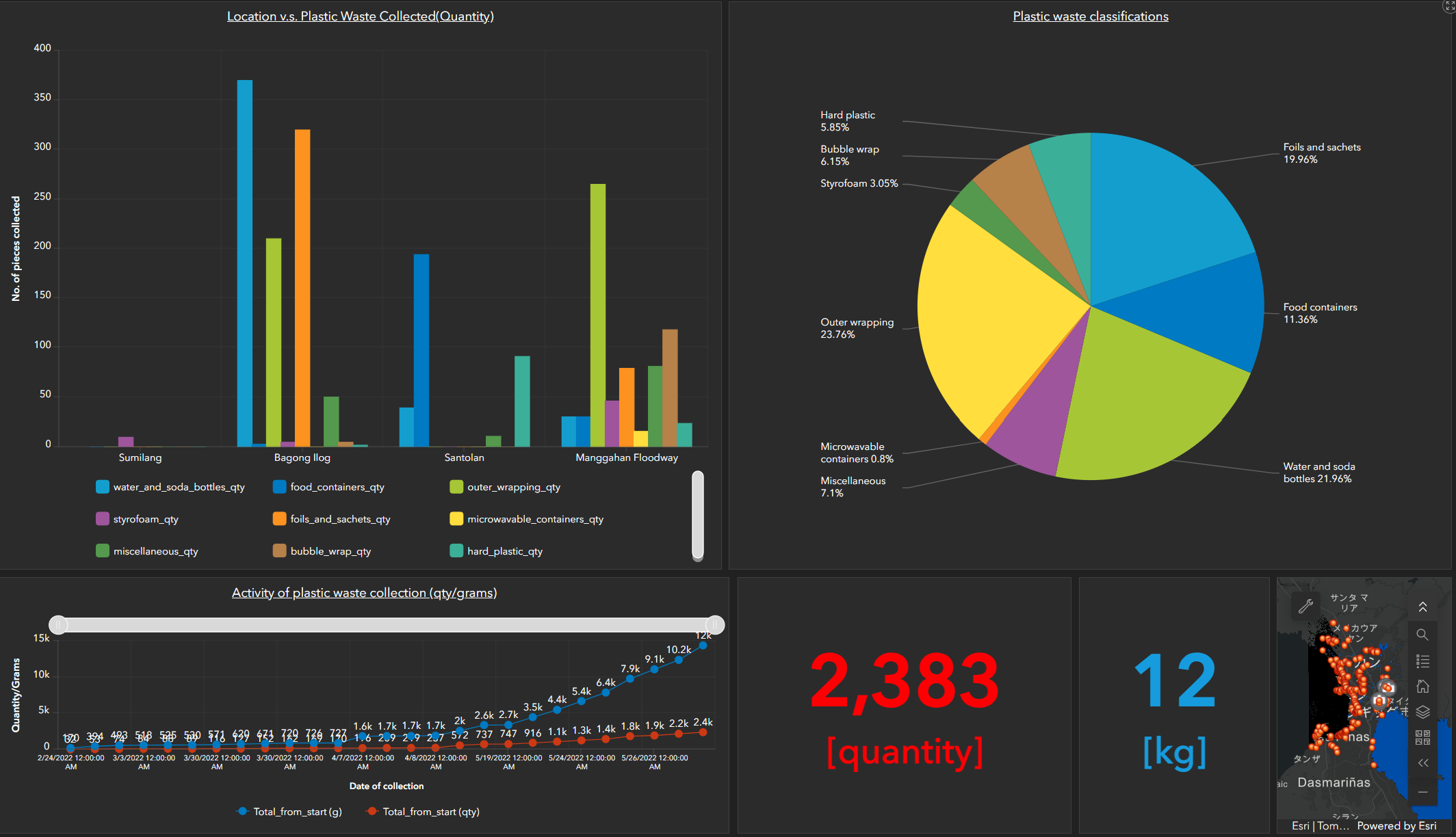
This solution bridges the digital divide by providing an accessible, easy-to-use platform that visualizes pollution patterns and trends, enabling local governments, civic groups, educators and community members to make data-driven decisions. By turning complex data into actionable insights, the tool empowers even low-resource communities to engage in policy discussions, target interventions effectively and participate in protecting their local environment, ensuring that solutions are inclusive and equitable.
The solution has been applied across diverse contexts, from the Pasig River in Metro Manila (a megacity facing severe marine debris challenges), to Samal Island, a resort city in the Philippines and a touristic area, demonstrating its adaptability to different environmental and socioeconomic settings.
Alpha Space Designlab plans to expand by strengthening its capabilities in talent, funding and technology while positioning itself at the intersection of space innovation and environmental impact. The company will continue advancing marine debris initiatives while developing land-based waste solutions, leveraging sensing technologies and other dual-use space-based capabilities applicable to both environmental challenges and the space sector.